At Pulp Friction CIO, sustainability is woven into everything we do. From growing and preparing food to serving it in our catering spaces, we work hard to make choices that are environmentally friendly and community focused.
Food waste remains one of the UK’s biggest contributors to climate change. Every day, good food is thrown away when it could be used to nourish people and build skills. We believe surplus food should always be given a second chance.
Making Surplus Food Go Further
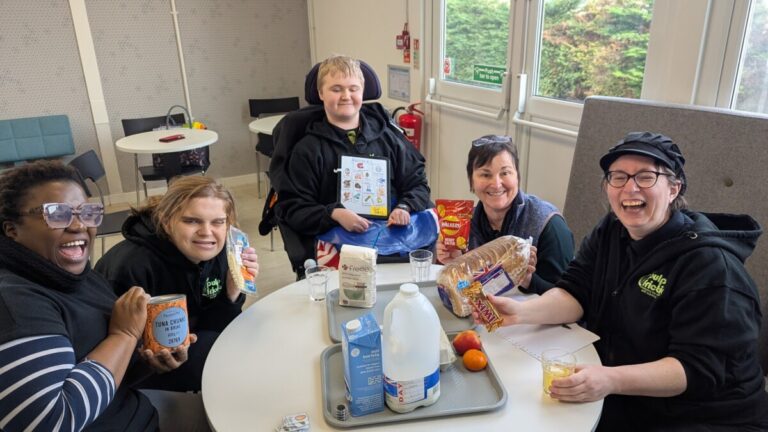
One way in which Pulp Friction prioritises reducing waste is via our membership with FareShare Midlands. Through this partnership, we receive regular deliveries of surplus food that would otherwise go to waste.
This food supports several areas of our work:
- The Joint Headquarters canteen
- Community meals
- Practical training sessions at our hub
Each delivery brings something different. It might mean adapting a menu, trying a new recipe or introducing Members to an ingredient they haven’t worked with before. These moments are where real learning happens; building confidence, problem-solving skills and kitchen experience.
A recent example of this in action is the creation of Mango Chutney and Spiced Pear Chutney at our Community Training Hub. These delicious condiments were made to prevent large quantities of mangoes and pears from going to waste – transforming them into cupboard staples with a long shelf life.

Working Collaboratively
Alongside FareShare Midlands, we also work with local supermarkets, such as Lidl and M&S, to collect stock that is close to its sell-by date or in damaged packaging but still perfectly good to eat.
These partnerships help us broaden the food we offer and give Members experience working with a wide range of ingredients. It’s a practical way of sharing knowledge about food storage, preparation and reducing waste in everyday settings.
Closing the Loop
We don’t stop there. If for whatever reason food cannot be used in our kitchens, it still doesn’t go to landfill. Through our composting projects, suitable leftovers are added to our wormeries, where they are transformed into natural fertiliser.
That fertiliser is then used to support our growing and gardening projects, helping us reduce our impact on the planet and grow food in a sustainable way.
Why It Matters
Reducing food waste is about more than sustainability. It’s about modelling positive habits, creating meaningful learning opportunities and making the most of the resources available to us.
By turning surplus into opportunity, we reduce waste, support our community and continue building a greener future, together.
Check out our top tips for how to reduce food waste in the home!